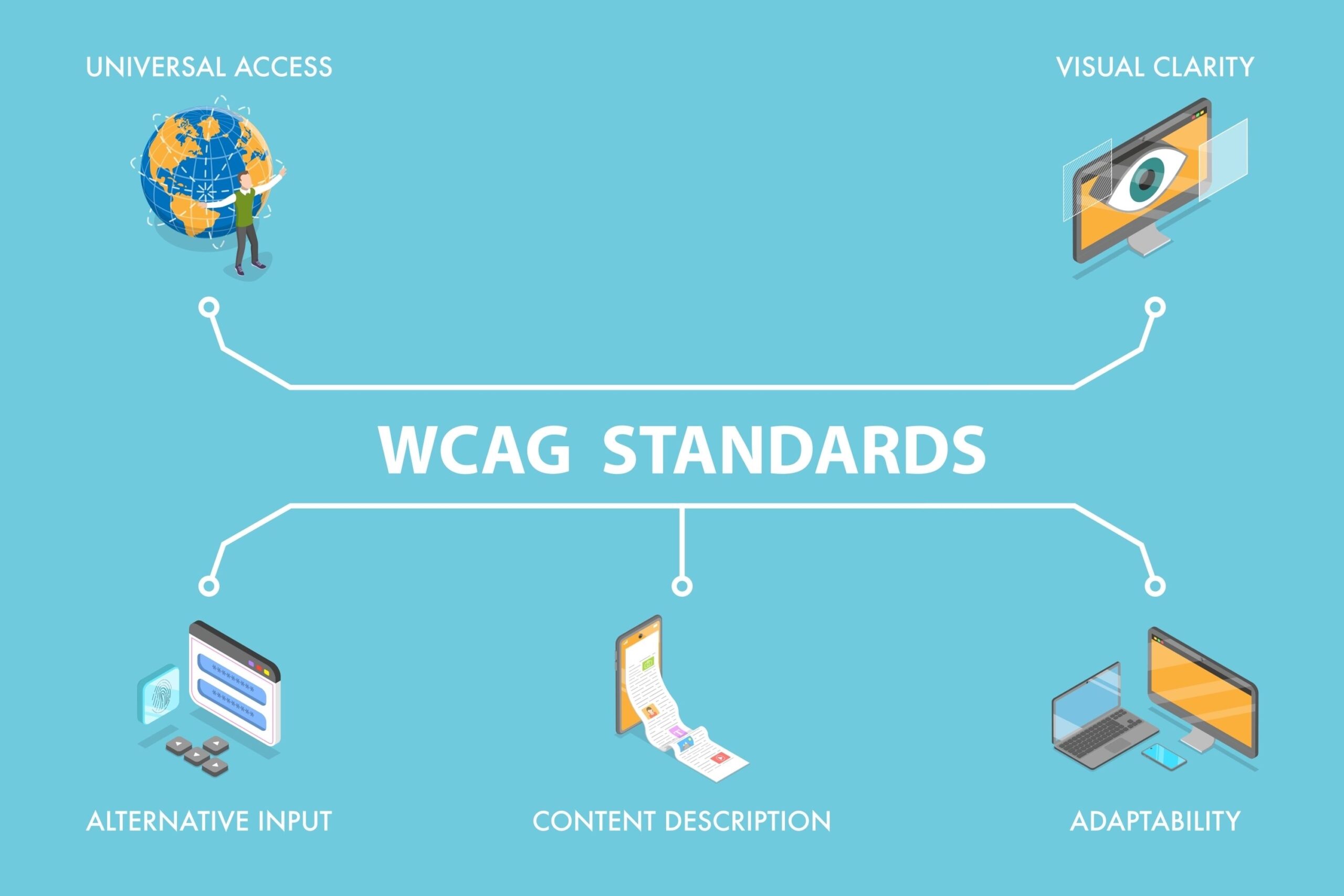
As healthcare becomes increasingly digital, medical practices must ensure their websites are accessible to all patients, including those with disabilities. ADA compliance, or compliance with the Americans with Disabilities Act, is critical for making your website usable for everyone while avoiding potential legal issues. Despite common misconceptions, ADA compliance is not just a legal formality—it directly affects patient experience, accessibility, and your practice’s online reputation.
At MedWeb360, we specialize in designing ADA-compliant medical websites that provide equal access to information and services for all users. This guide explains ADA compliance, why it matters for medical websites, the steps to achieve compliance, and best practices for healthcare providers.
What is ADA Compliance?
The Americans with Disabilities Act (ADA) is a federal law passed in 1990 that prohibits discrimination against individuals with disabilities. While the ADA initially focused on physical accessibility for public spaces, its scope has expanded to include digital accessibility. For medical websites, ADA compliance means ensuring that patients with visual, auditory, motor, or cognitive disabilities can access and use your website effectively.
Websites that are ADA-compliant provide alternative ways for users to interact with content. For example, screen reader compatibility, keyboard navigation, captioned videos, and accessible forms all contribute to compliance. Failing to meet these standards can exclude patients and expose your practice to legal liability.
Why ADA Compliance Matters for Medical Websites
Medical websites are essential tools for patient communication, appointment booking, and health education. Non-compliant websites can create barriers for individuals with disabilities, affecting their ability to schedule appointments, access telehealth services, or review educational resources. The benefits of ADA-compliant websites include:
- Improved Accessibility: Ensures all patients, regardless of ability, can navigate and interact with your website.
- Legal Protection: Reduces the risk of lawsuits related to digital accessibility, which have been increasing in the healthcare sector.
- Enhanced User Experience: ADA-compliant websites are typically easier to navigate for all users, not just those with disabilities.
- Better SEO Performance: Many accessibility practices, such as proper heading structure, alt text, and descriptive links, also improve search engine optimization.
- Expanded Patient Reach: By making your website accessible, you ensure no patient is excluded due to usability barriers.
Key ADA Compliance Standards for Medical Websites
ADA compliance for websites is guided by the Web Content Accessibility Guidelines (WCAG) 2.1. These guidelines provide a framework to make digital content more accessible. The primary principles include:
- Perceivable: Information and user interface components must be presented in ways that users can perceive. This includes alt text for images, captions for videos, and proper color contrast for text readability.
- Operable: Users must be able to navigate your website effectively. This includes keyboard navigation, clear menus, and accessible interactive elements like buttons and forms.
- Understandable: Website content and navigation should be clear and simple. Use readable fonts, concise language, and consistent layouts to reduce confusion.
- Robust: Websites must function correctly across different browsers, devices, and assistive technologies such as screen readers.
Common ADA Compliance Issues on Medical Websites
Many medical websites unintentionally violate ADA standards. Common issues include:
- Lack of alt text for images or icons, preventing screen readers from conveying content to visually impaired users.
- Videos without captions or transcripts, limiting access for patients with hearing impairments.
- Poor color contrast between text and background, making reading difficult for users with low vision.
- Forms and appointment scheduling systems that are not keyboard-accessible or lack clear instructions.
- Non-responsive design that does not function properly on mobile devices or assistive technologies.
- Missing ARIA (Accessible Rich Internet Applications) attributes to guide users with disabilities through complex interactions.
MedWeb360 audits websites for these issues and implements solutions that ensure ADA compliance while maintaining a professional and patient-friendly design.
Steps to Make Your Medical Website ADA Compliant
Creating an ADA-compliant medical website involves multiple strategies, from design adjustments to backend enhancements. Here are actionable steps:
- Audit Your Current Website: Identify existing accessibility barriers using automated tools like WAVE or Axe, and manual testing with screen readers.
- Use Proper HTML Structure: Ensure headings, lists, and content sections are semantically correct for screen readers.
- Provide Alt Text for Images: Describe images accurately so visually impaired users understand the content.
- Ensure Video Accessibility: Add captions, transcripts, and audio descriptions for all multimedia content.
- Keyboard Accessibility: Test all interactive elements to ensure they can be used without a mouse.
- Color Contrast: Maintain a minimum contrast ratio for text and background to improve readability.
- Accessible Forms: Use labels, instructions, and ARIA attributes on forms for patients to submit information easily.
- Responsive Design: Ensure your website works well on mobile devices and across browsers.
- Regular Testing: Perform periodic audits and updates to maintain accessibility as your website content grows.
ADA Compliance and Patient Forms
Forms are a key interaction point on medical websites, from new patient registration to telehealth intake. ADA-compliant forms should include:
- Clearly labeled input fields and instructions for screen readers.
- Keyboard-friendly navigation for filling out forms without a mouse.
- Readable fonts, proper spacing, and accessible error messages for validation issues.
- Compatibility with assistive technologies to ensure patients with disabilities can submit their information safely.
- HIPAA-compliant forms for secure handling of patient data, combining accessibility and privacy.
MedWeb360 integrates ADA- and HIPAA-compliant forms to ensure all patients can securely submit information without barriers, providing a seamless user experience.
ADA Compliance for Medical Websites by Specialty
Different medical practices have unique needs when it comes to ADA compliance. Here are examples by specialty:
Dental Practices: ADA-compliant dental websites should provide clear service descriptions, alt text for procedure images, and accessible appointment forms to ensure patients of all abilities can schedule care.
Medical Spas & Aesthetics: For medical spas, accessibility features like captioned videos for treatments, screen-reader-friendly service menus, and accessible booking forms help clients with disabilities access cosmetic services easily.
Cardiology: Specialized practices must ensure that educational content, procedure descriptions, and telehealth portals are accessible to patients with vision, hearing, or cognitive impairments.
Dermatology: Clinics offering specialized services need accessible forms, properly labeled images, and clear navigation so patients can find treatments, request appointments, and access resources without barriers.
Benefits of ADA-Compliant Medical Websites
Investing in ADA compliance goes beyond legal protection—it improves overall patient experience and practice performance:
- Enhanced Patient Trust: Patients feel more welcomed and valued when your website is accessible and easy to navigate.
- Improved SEO: Accessibility improvements like proper headings, alt text, and clear navigation enhance search engine rankings.
- Legal Protection: Reduces the risk of ADA-related lawsuits and complaints.
- Inclusive Marketing: ADA-compliant websites reach a broader audience, including individuals with disabilities.
- Professional Reputation: Demonstrates your commitment to patient care and inclusivity.
Best Practices for Maintaining ADA Compliance
Maintaining compliance is an ongoing process. Best practices include:
- Regular website audits using automated and manual testing.
- Training staff on accessibility awareness and content creation guidelines.
- Updating multimedia content with captions, transcripts, and descriptive text.
- Ensuring new features, plugins, or forms meet accessibility standards before launch.
- Partnering with experts like MedWeb360 to maintain compliance and provide ongoing updates.
Conclusion
ADA compliance is an essential aspect of medical website design. By making your website accessible, you ensure that all patients can access information, book appointments, and use online services effectively. Compliance also enhances SEO, improves patient trust, and protects your practice from legal risks.
At MedWeb360, we specialize in creating ADA-compliant websites for healthcare providers. From accessible forms and multimedia content to responsive design and SEO integration, we help your practice deliver an inclusive and professional online experience for all patients. Ensuring ADA compliance is not just a legal obligation—it’s a commitment to patient care and accessibility in the digital age.
Ready to make your medical website ADA-compliant? Contact MedWeb360 today to schedule a consultation and learn how we can optimize your site for accessibility, security, and patient engagement.